 Chongqing Handbook
Health & Safety · 安
Traditional Chinese Medicine
Tuina, acupuncture, cupping and herbal medicine: what visitors meet, what evidence and tradition say, and how to stay safe.
Overview
Traditional Chinese Medicine (TCM) is part of China’s mainstream health system. Public TCM hospitals work alongside Western-style hospitals, and many combine TCM treatments with modern diagnostics such as blood tests and scans. Visitors usually meet TCM in lighter forms (tuina massage, foot reflexology, cupping and herbal teas), which make a relaxing break after days on Chongqing’s stairs.
- Common experiences
- Tuina massage · cupping · acupuncture · herbal teas
- Where to go
- Licensed TCM hospitals for medical care; reputable, well-reviewed chains for massage
- Evidence & Tradition
- Acupuncture and massage have good clinical support for some kinds of pain relief; herbal remedies rely on centuries of traditional practice and individualized prescriptions.
- Good to know
- Cupping leaves temporary circular marks for 3–7 days
Where to Go
Choosing a Hospital or Clinic
For a medical TCM consultation, acupuncture or prescribed herbs, go to a public TCM hospital: search 中医院 in Amap or ask your hotel front desk. For a casual foot or shoulder massage, choose a brightly lit, well-reviewed chain that shows its prices.
Good to Know
Practical Tips
- Tell the practitioner if you are pregnant, take blood thinners or other regular medicines, or have a heart condition.
- Avoid cupping over sunburned or broken skin, or if you take blood thinners.
- Always agree on the service, duration and total price before a session starts.
How a TCM Hospital Visit Works
- Register: at the counter, show your passport and choose a department, such as acupuncture, tuina or internal medicine.
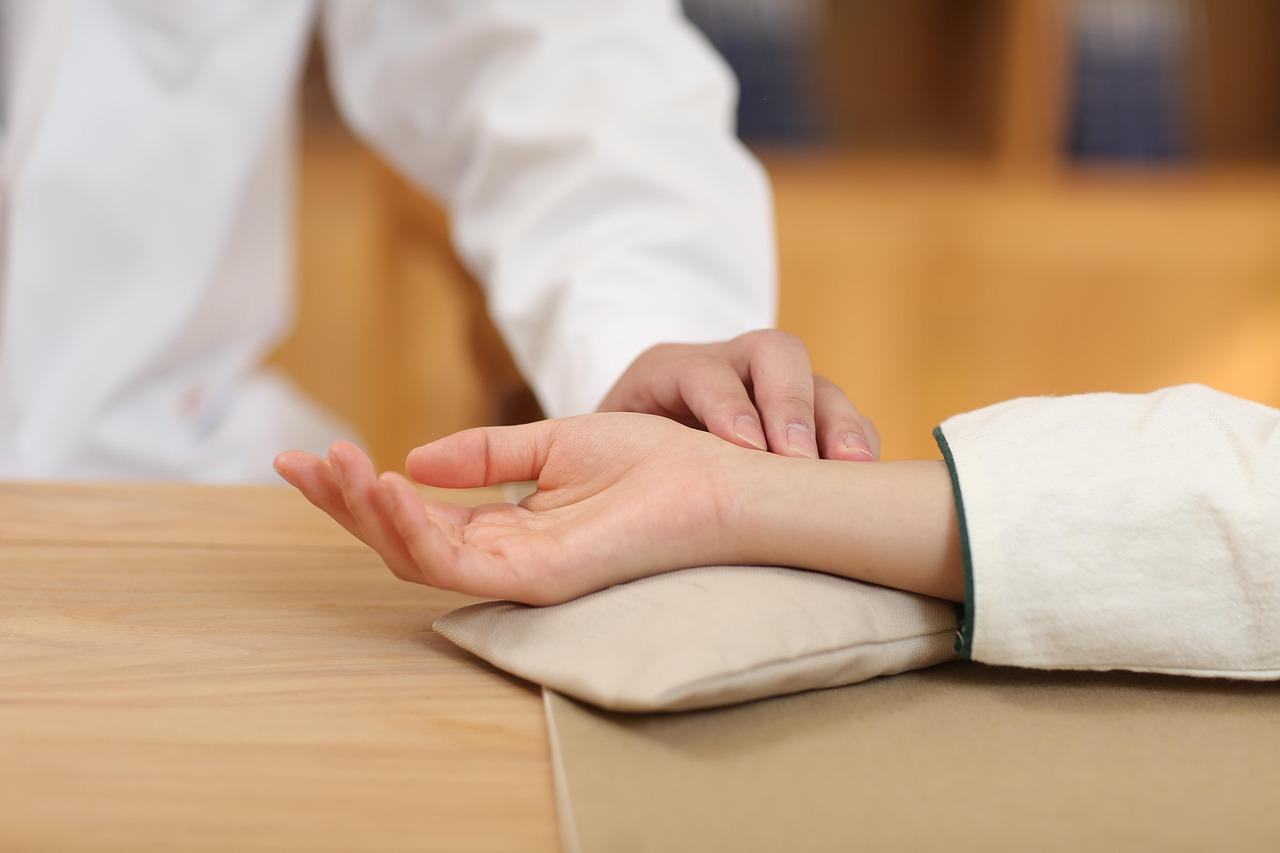
- Consultation: the doctor asks about your symptoms, looks at your tongue and takes your pulse, and may also order modern tests.
- Treatment: acupuncture, tuina or cupping take place in treatment rooms, often as a course of several sessions over days or weeks.
- Pay: pay for each treatment or prescription before it happens, at a counter, a kiosk or by phone.
- Herbal medicine: many hospital pharmacies can cook your herbs into sealed, ready-to-drink pouches, which is far easier when traveling. Check your home country’s rules before carrying herbs back.
Evidence & Tradition
Acupuncture and massage have good clinical support for some kinds of pain, such as chronic low back and neck pain and some headaches, and many visitors find tuina a welcome way to ease stiff muscles. Cupping is widely used for muscle tension, though research on it is still limited. Herbal medicine rests on centuries of traditional practice: a TCM doctor tailors each prescription to the patient, so the same complaint can lead to different formulas. Because herbs are active medicines, tell the doctor about any prescription drugs you take, especially blood thinners, and use TCM alongside emergency care and treatment for serious illness, not instead of it.
Get in touch
Interested in TCM Treatment in Chongqing?
We are preparing a service to help international visitors arrange TCM consultations and treatment courses in Chongqing. Write to heavenlygoodsglb@outlook.com with what you are looking for and we will be in touch when it opens.
Show to staff or drivers